If you're staying in Medellín for more than a week or two, you'll quickly face the same fork: book nightly on a platform like Airbnb, or take a furnished place by the month. The nightly rate looks smaller, so it feels cheaper. By the time you've stayed a month, it usually isn't.
Here's the honest comparison from a renter's side — what each really costs once the fees land, how flexible each one is, and where the line falls between them.
The headline rate hides the fees
A nightly listing quotes you a per-night price, then adds layers at checkout: a cleaning fee, a service fee, sometimes a longer-stay 'discount' that still lands well above a true monthly rate. Multiply the all-in nightly figure by thirty and compare it to a furnished monthly rate, and the monthly almost always wins — often by a wide margin. Monthly rentals are priced as a flat figure — wifi included and utilities included up to a monthly maximum — so the number you're quoted is close to the number you pay.
Length of stay changes everything
Nightly pricing rewards the platform and the owner for turnover. Monthly pricing rewards you for staying. A furnished home priced by the month gets cheaper per month at three and six months, because a steady tenant is worth more than a churning calendar. So the longer you stay, the wider the gap: a few nights, nightly is fine; a month or more, monthly is the clear call.
What you give up, what you gain
Nightly stays are flexible — book three nights, leave, no commitment. That's their real value, and for a short trip it's the right tool. The cost is price, plus the low-grade churn of changing places, re-learning a neighborhood, living out of a suitcase. Monthly trades a little flexibility for a real home: your own space for the season, a known routine, a building you belong in, and a rate that doesn't punish you for staying.
The things people forget to count
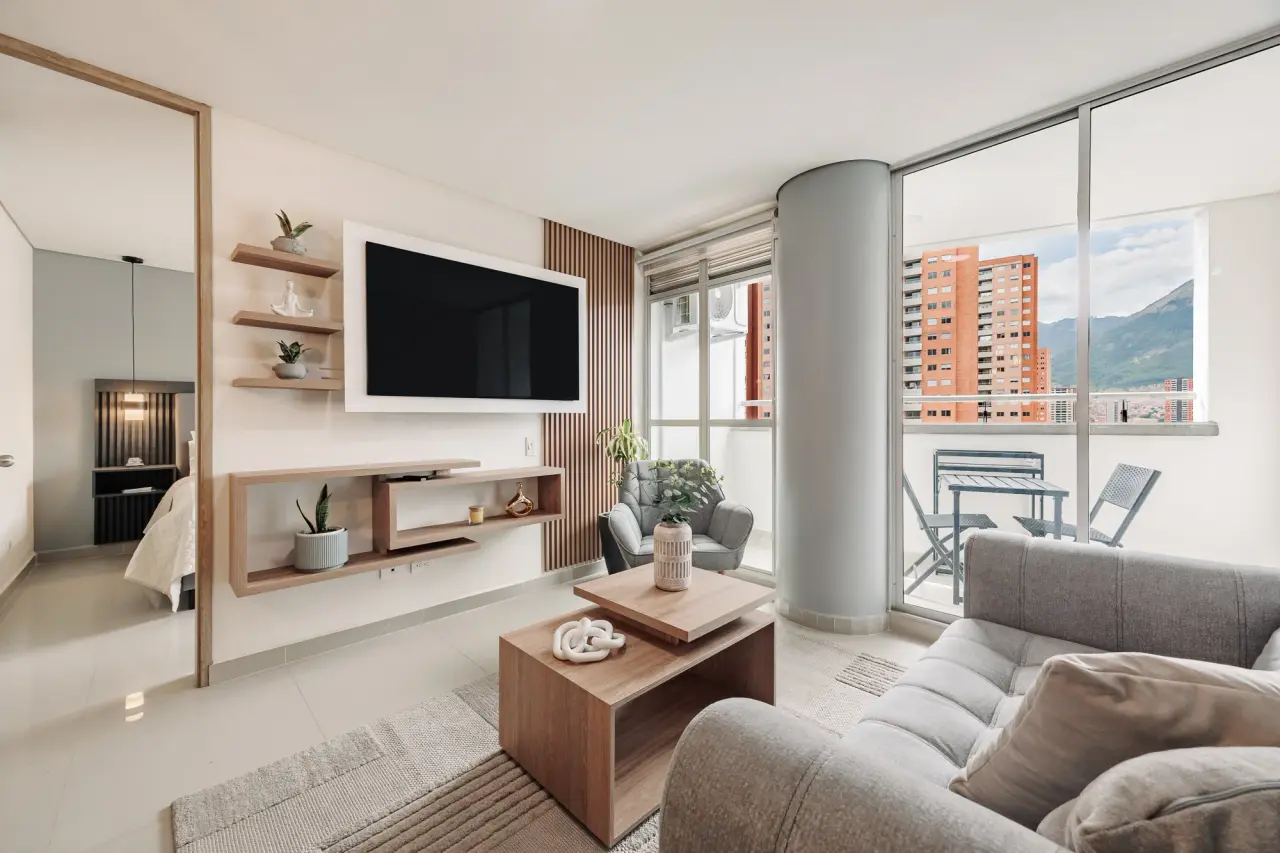
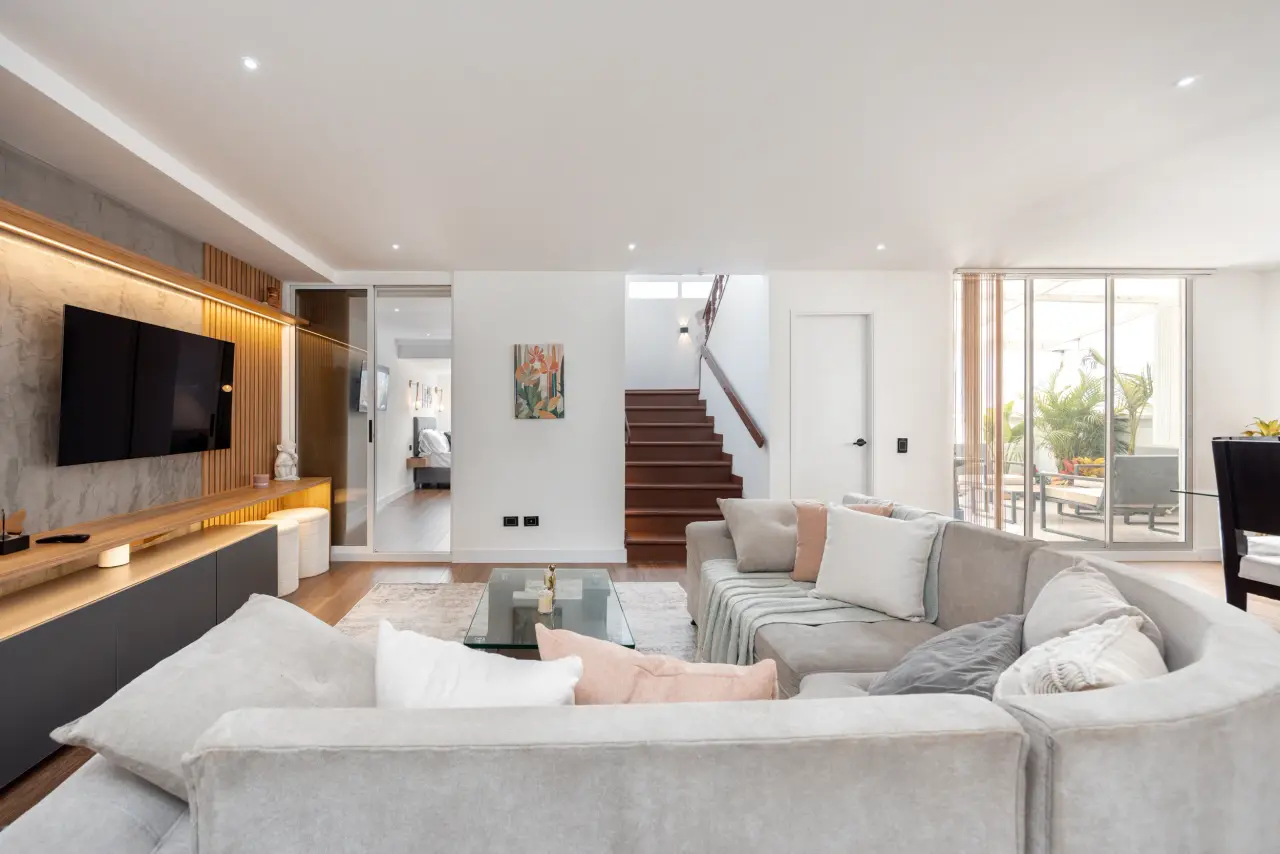
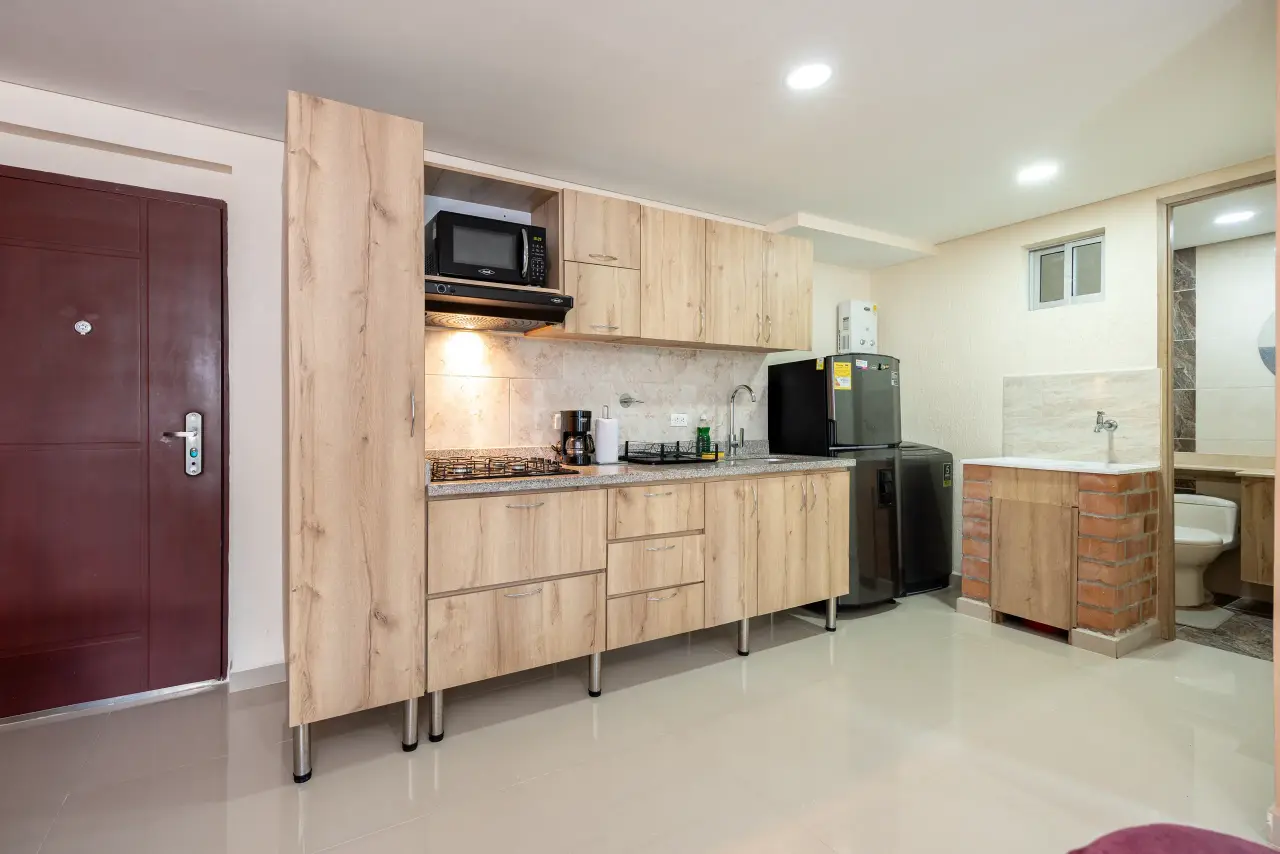
Beyond money, count the friction. Nightly means repeated check-ins and check-outs, variable cleaning, and listings that may not be set up for actual living — thin kitchenware, no workspace, a sofa that's fine for three nights and a chore for thirty. A proper monthly furnished home is set up to be lived in: a real kitchen, a desk, fast wifi included and utilities included up to a monthly maximum. For working or settling, that difference is the whole point.
When nightly still makes sense
Nightly isn't wrong — it's a different tool. For a first scouting trip, a stay under a couple of weeks, or a date range you genuinely can't pin down, the flexibility is worth the premium. Some of our own homes take nightly and weekly stays alongside monthly for exactly these cases. The mistake is defaulting to nightly for a stay that's really monthly, and quietly overpaying for a month at a tourist's rate.
What a month actually looks like
Picture the same apartment two ways. Booked nightly for thirty nights, you pay the per-night rate thirty times over, plus the cleaning fee and the service fee, and you stay a guest the whole way through — checkout always a little close, the price maybe nudged up if you extend. Booked monthly, you pay one agreed figure with the wifi inside it and utilities included up to a monthly maximum, sign once, and actually settle in: a key that's yours for the season, a building that learns your face, a desk you never have to clear.
The monthly version is usually cheaper and almost always calmer. The nightly version earns its place when you genuinely can't commit — not as the reflex for a stay you already know is long. The clearest tell is your own calendar: if you can name a move-out month, you're a monthly renter paying nightly rates by accident.
Finding the monthly rate
If you know you're staying a month or more, skip the nightly math and ask for a monthly home directly — you'll see a flatter, lower monthly number, with no fiador and a short, simple agreement. Tell us your dates and neighborhood and we'll send real monthly options; you can also browse current homes with their monthly pricing shown.