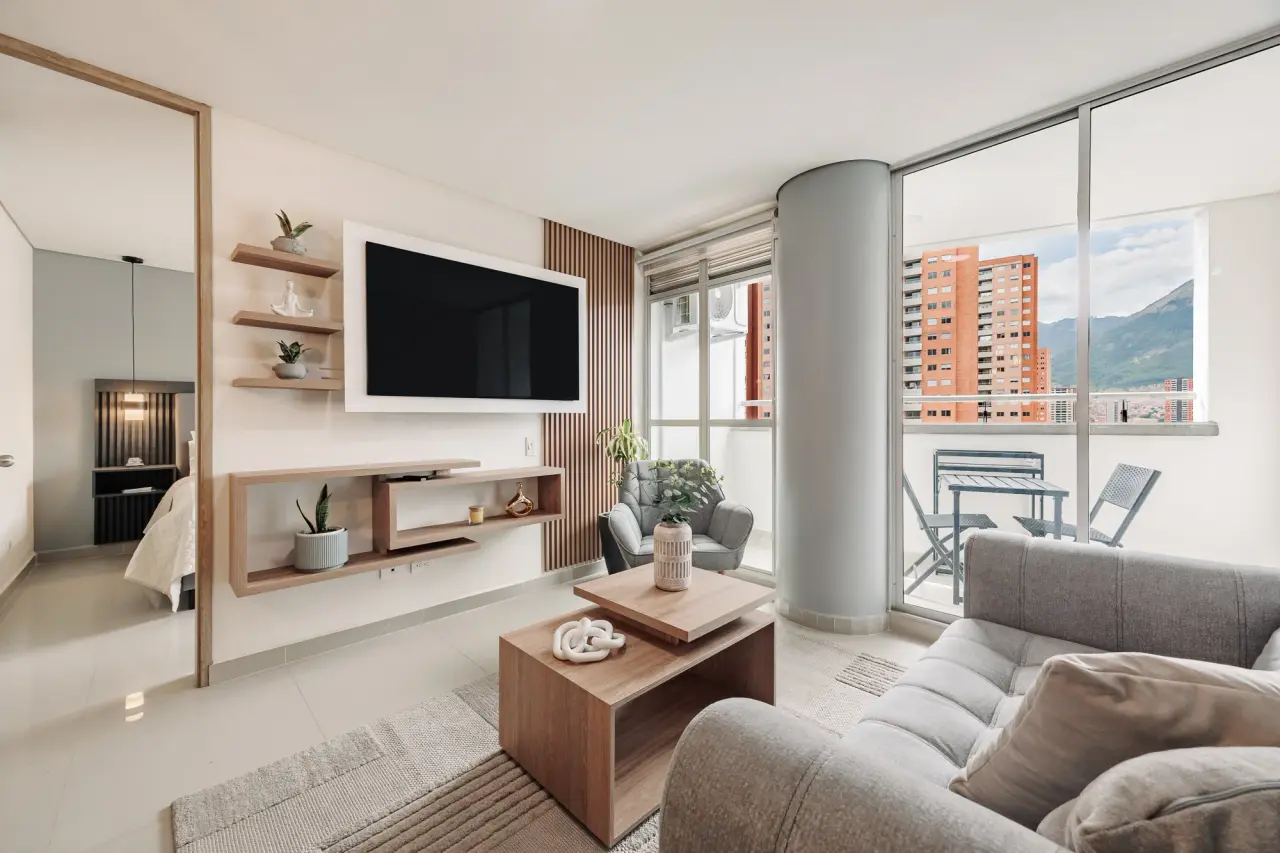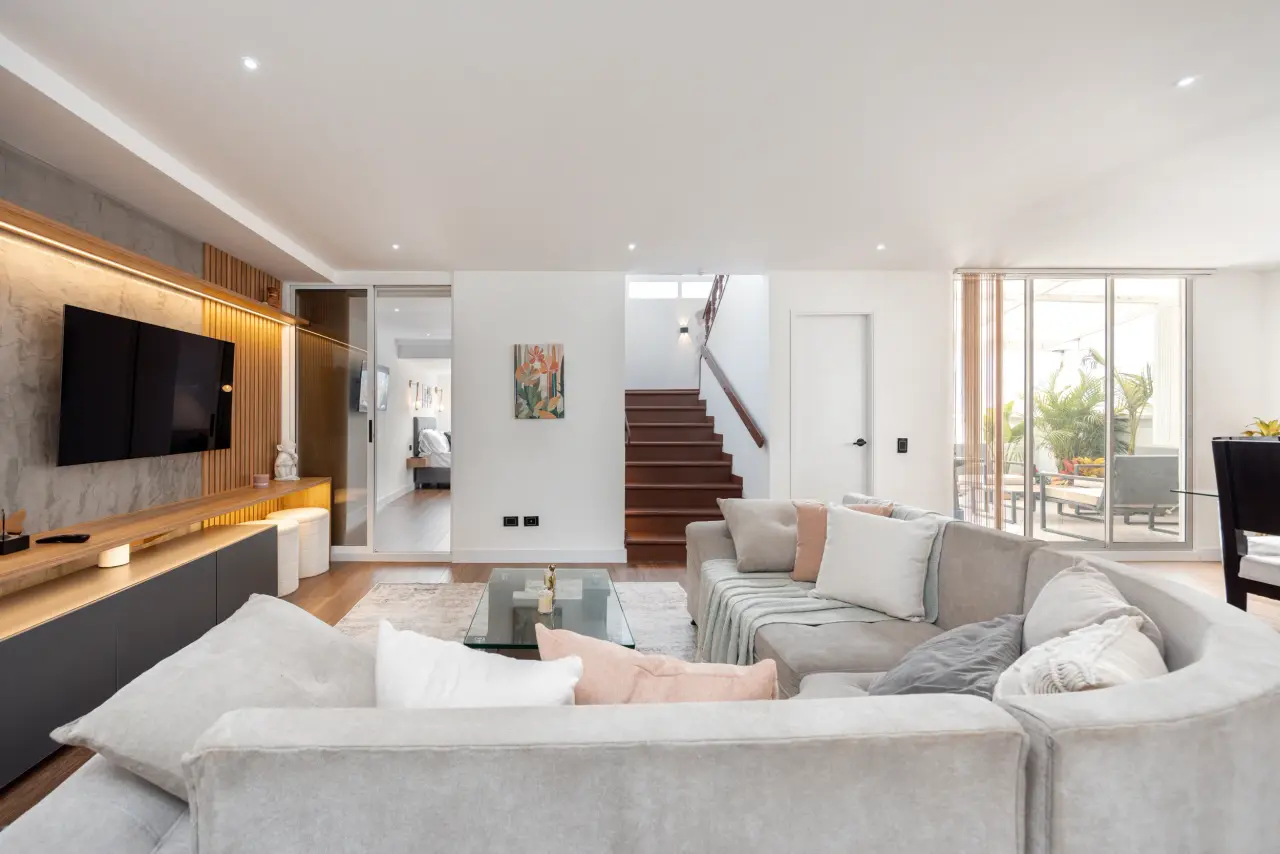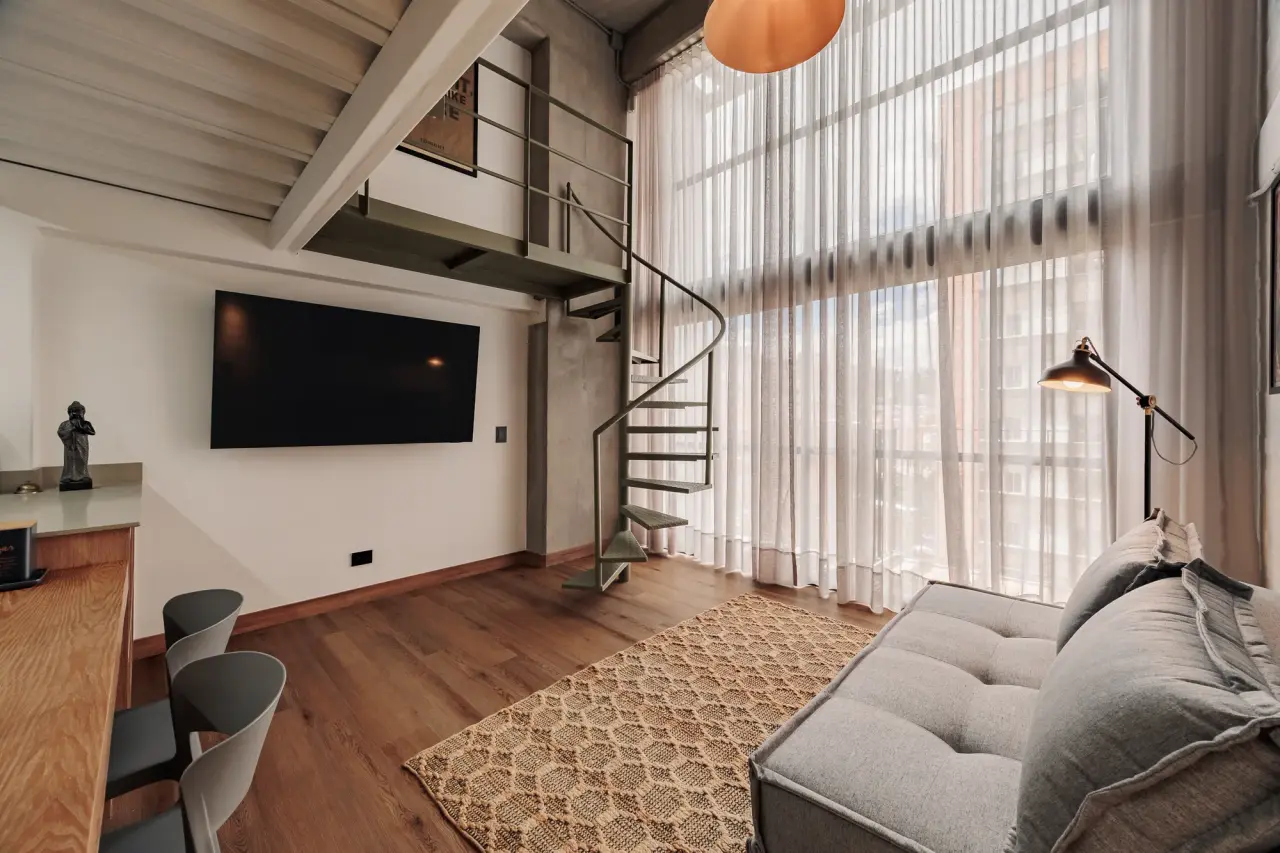
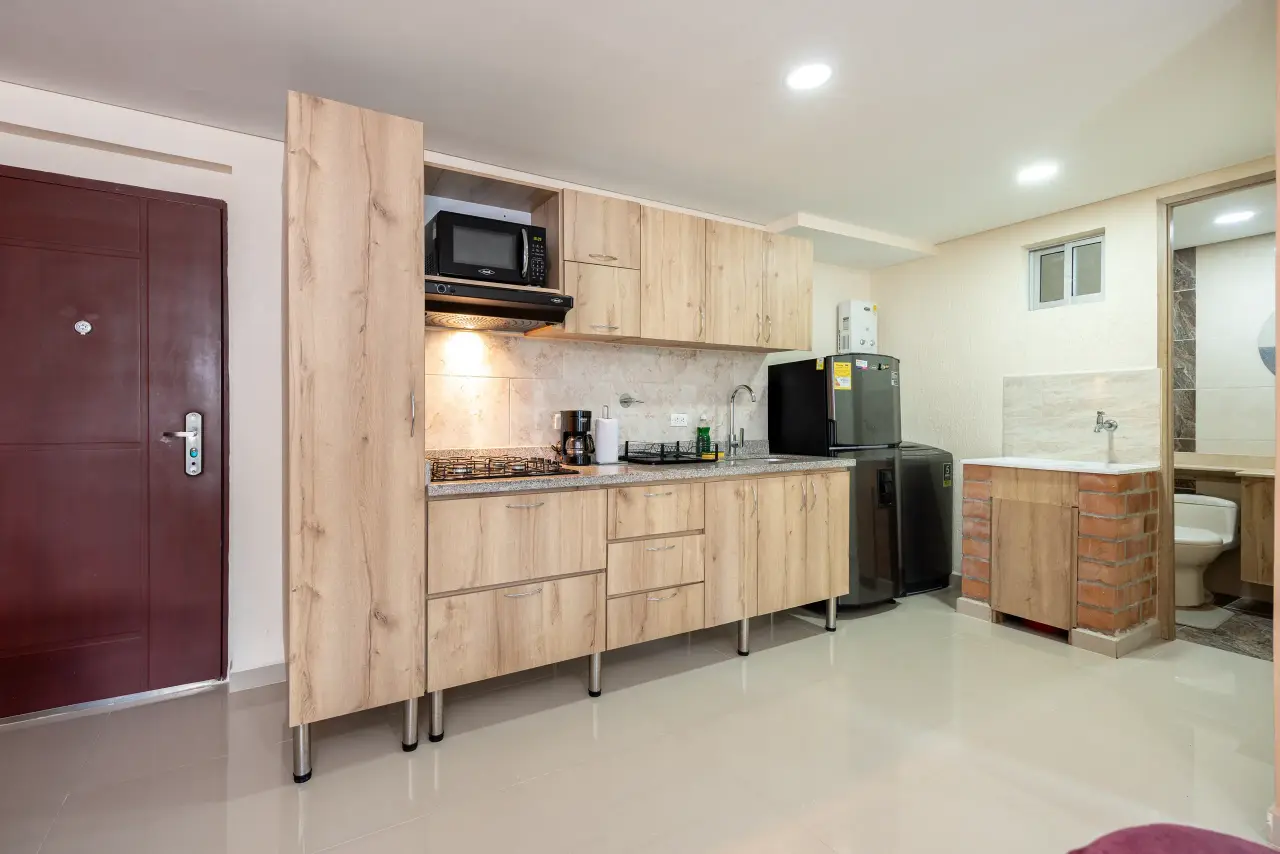
'Furnished' is not a standard. It's a word, and in Medellín it stretches from a home you can genuinely live in from the first evening to a bed, a sofa and four forks in a drawer.
The gap costs money and mood in equal measure. Here's what a properly furnished home includes, what to look at before you commit, and why the inventory — the least glamorous piece of paper in the whole transaction — is the one that matters most.
Furnished, equipped, and ready are three different things
Furnished means there is furniture. Equipped means the kitchen, the bathroom and the bedroom actually work as rooms — pots that fit the stove, a knife that cuts, enough plates for the number of guests the listing sleeps, towels and spare linens. Ready means you can arrive at 11pm with a suitcase and go to bed without a shopping list.
Most listings claim the first. Fewer deliver the second. The third is what a monthly rental is actually for, and it's worth asking about explicitly rather than assuming.
The kitchen is the honest test
Anyone can put a sofa in a room. The kitchen is where corners get cut, because it's the expensive part and the part a photographer can shoot around.
Ask what's in it. A stove and a fridge are table stakes. What tells you the standard is the rest: a decent pan and a decent pot, an oven or a microwave (many Colombian apartments have neither by default), a kettle, a chopping board, a colander, a can opener, storage containers, and enough cutlery and glassware to have two people over. If the answer is vague, the answer is four forks.
The things nobody photographs
Water pressure and hot water. Colombian apartments are often heated by a small electric unit at the shower head, and the difference between a good one and a tired one is the difference between enjoying your morning and dreading it.
Blackout in the bedroom. Medellín sits near the equator, so sunrise is around six all year and it does not move. Thin curtains are a permanent alarm clock.
A real work surface. If you work online, a dining chair at a dining table for eight hours a day is a genuine problem by week two. Ask whether there's a desk, and where the wifi router actually sits relative to it.
Noise. A flat facing a main road, a building with a rooftop event space, or a unit above a bar reads identically in photos to one that's silent. Ask what's below and beside, and if you can, listen during the viewing instead of talking.
What the building brings
Half of what makes a home comfortable here isn't in the apartment. Twenty-four-hour portería, a working lift, a gym, a rooftop, a laundry room, a water tank and a generator for the occasional outage — these belong to the building, and they vary enormously from tower to tower.
Ask which of them the administración covers and which cost extra, and whether guests can use them. It's also worth asking whether the building has any rules about short-stay guests, because some do and it's better to know before you arrive than after.
The inventory, and why it's the document that matters
A furnished home should come with an inventory: a written list of what's in the apartment, ideally with photos, signed by both sides at check-in.
It's dull and it's the most useful thing you'll sign. It protects you, because nothing that was already scuffed can later be attributed to you. It protects the owner, because what leaves the apartment is documented. And it's the direct basis on which a deposit is settled at the end — the whole point of a deposit on a furnished rental is that it stands behind those specific goods, which we go through in the guide to deposits.
If nobody offers you one, ask. Then walk the apartment with your phone on the day you get the keys and photograph anything already marked, chipped or missing. Ten minutes, and it removes the entire category of argument you'd otherwise have on the way out.
What to ask before you commit
Four questions get you most of the way. What exactly is included in the kitchen? Is there a desk and a proper chair? What's covered in the monthly figure and what's billed separately? And can I see the inventory?
A good operator answers all four in a message, quickly and specifically. Vagueness on the fourth is the one to pay attention to, because an operator who doesn't keep inventories doesn't keep homes to a standard either.
Why it's worth being fussy
You're not buying furniture. You're buying the absence of a hundred small errands in a city you've just arrived in — the trip to Éxito for a frying pan, the afternoon lost to a plumber, the fortnight of sleeping badly before you finally buy a curtain.
That's the whole product. A home that's genuinely ready is worth a premium over one that's technically furnished, and the difference usually shows up in the questions above rather than in the photographs. If you want a straight answer on what a specific home includes, ask for the inventory and the included list — and see what the monthly figure should cover before you compare two rates.