Every owner asks the same question at renewal: how much can I put the rent up? On a residential lease in Colombia the answer isn't a negotiation. It's a formula, and it has a ceiling.
For 2026 that ceiling is 5.10%. If a residential lease reaches its anniversary during 2026, the rent can rise by at most 5.10%, the IPC for 2025 published by DANE, Colombia's national statistics office. On a rent of $1.500.000 COP, the most it can become is $1.576.500 COP.
Understanding that ceiling matters more than it sounds, because it doesn't just govern one year — it governs the whole life of the tenancy, and it quietly decides how far a home can drift from what it's actually worth.
The rule
Article 20 of Ley 820 de 2003 sets it out. The landlord may raise the rent once every twelve months of the contract's execution, and by no more than the increase in the consumer price index — the IPC — for the immediately preceding calendar year.
Two things follow that owners regularly get wrong. It's twelve months from the contract, not from January, so the anniversary is the anniversary of the lease. And it's a ceiling on the whole increase, not a starting point for a conversation: an adjustment beyond it has no legal effect, whatever the tenant signed.
The figure changes every year because the IPC does. It's published, it's not negotiable, and it applies to a residential lease whether or not the contract says anything about increases at all.
Renewal happens by default
The other half of the picture is that Colombian residential leases renew themselves. Ley 820 provides that the contract is understood to be extended on the same terms and for the same initial period, provided each side has met its obligations and the tenant accepts the rent adjustments the law authorizes.
So the normal state of a residential tenancy is continuation. A lease doesn't quietly lapse into a renegotiation at the end of its first year — it rolls, at a rent that can only have moved by IPC.
That's a genuine feature if you have a good tenant. It's a slow problem if the rent was set low to begin with.
What the ceiling compounds into
Here's the part that doesn't show up until year three. If a home is let at, say, 15% below what the market would pay, the IPC ceiling gives you no mechanism to close that gap. Inflation lifts your rent and the market's rent by roughly the same amount each year, so the percentage gap doesn't shrink. It just persists, and in cash terms it widens.
A single year of underpricing on a residential lease is therefore not a single year's mistake. It's a floor you've set for as long as the tenant stays, and in a market where a good tenant might stay four or five years, that's the most expensive decision in the whole arrangement.
This is why the initial pricing of a long lease deserves far more attention than owners usually give it, and why "we can always adjust later" isn't true here in the way it is elsewhere.
Furnished monthly runs on a different clock
A furnished, monthly home isn't priced on an annual escalator at all. Each stay is quoted on its own terms — the season, the length of the commitment, what the home offers, what comparable homes are getting right now.
That means the rate tracks the market continuously rather than lagging it by however many years the tenancy has run. A home that becomes more desirable because the barrio improved, or because you refurnished the living room, reflects that within a booking cycle rather than at the pace of the consumer price index.
It cuts the other way too, and it's worth saying plainly: a furnished home is exposed to demand. A quiet season shows up in the numbers, where a year-long lease would simply have kept paying. That's the actual trade — responsiveness against predictability — and which side is better depends on the home and on what the owner wants from it.
How to think about it for your own place
If you want a single number every month with as little involvement as possible, and you're content for that number to move only with inflation, a long unfurnished lease does exactly what it says. Just price it right at the start, because that's the only moment you fully control.
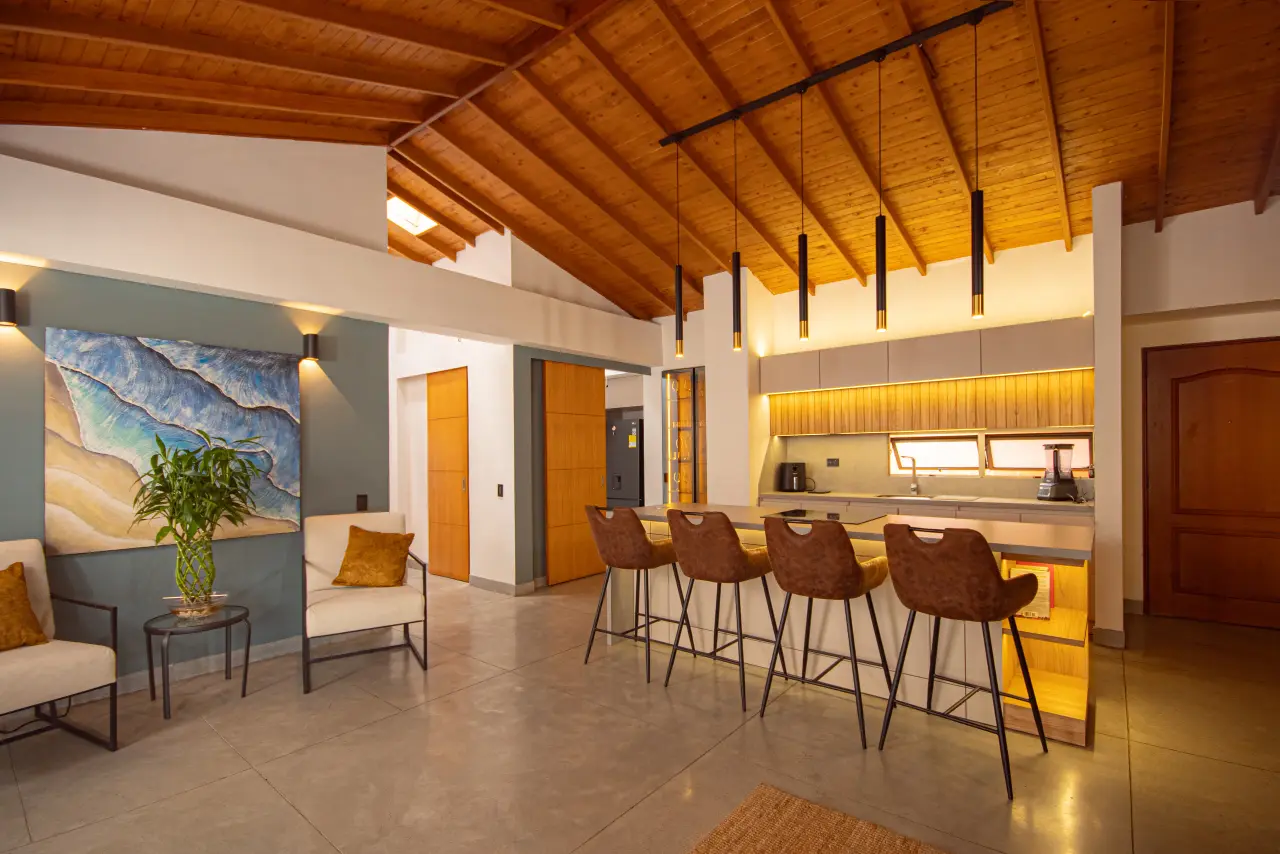
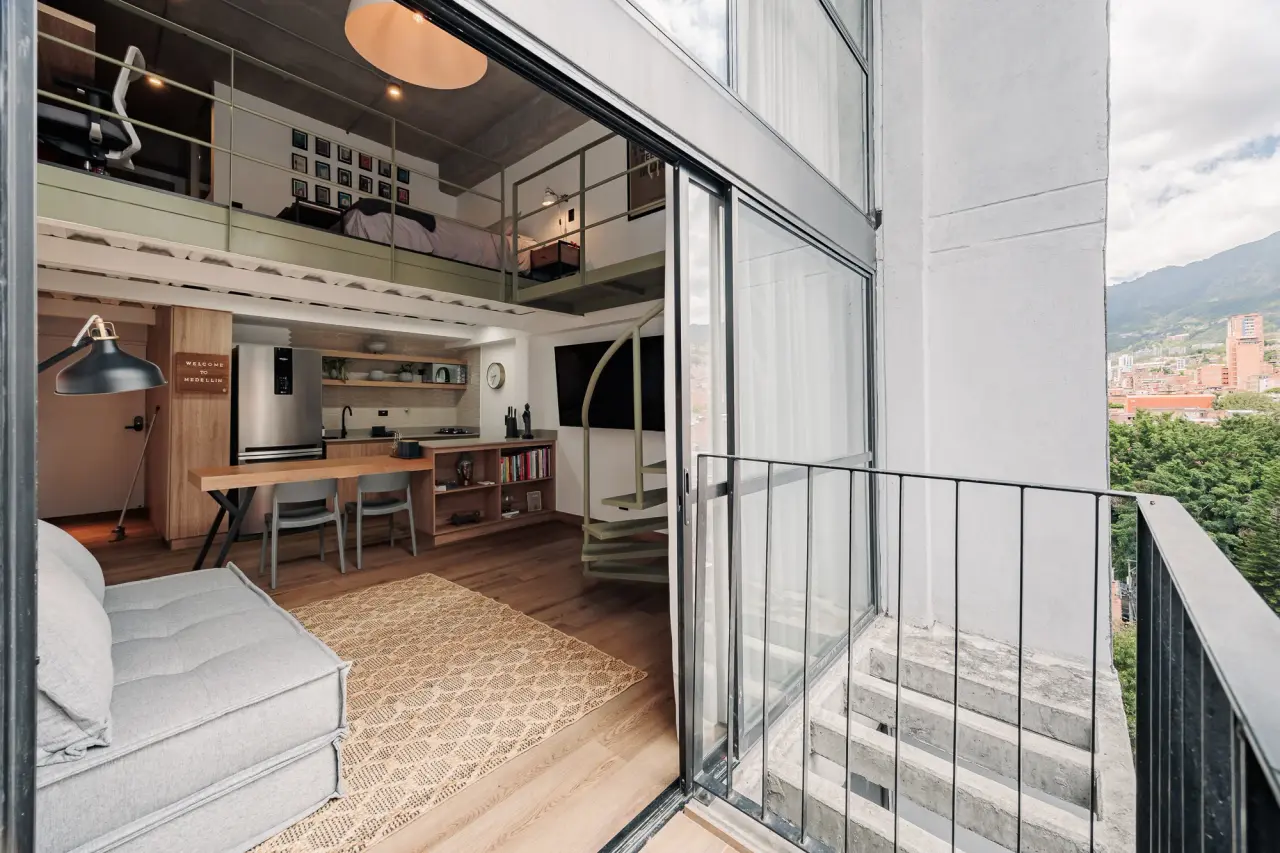
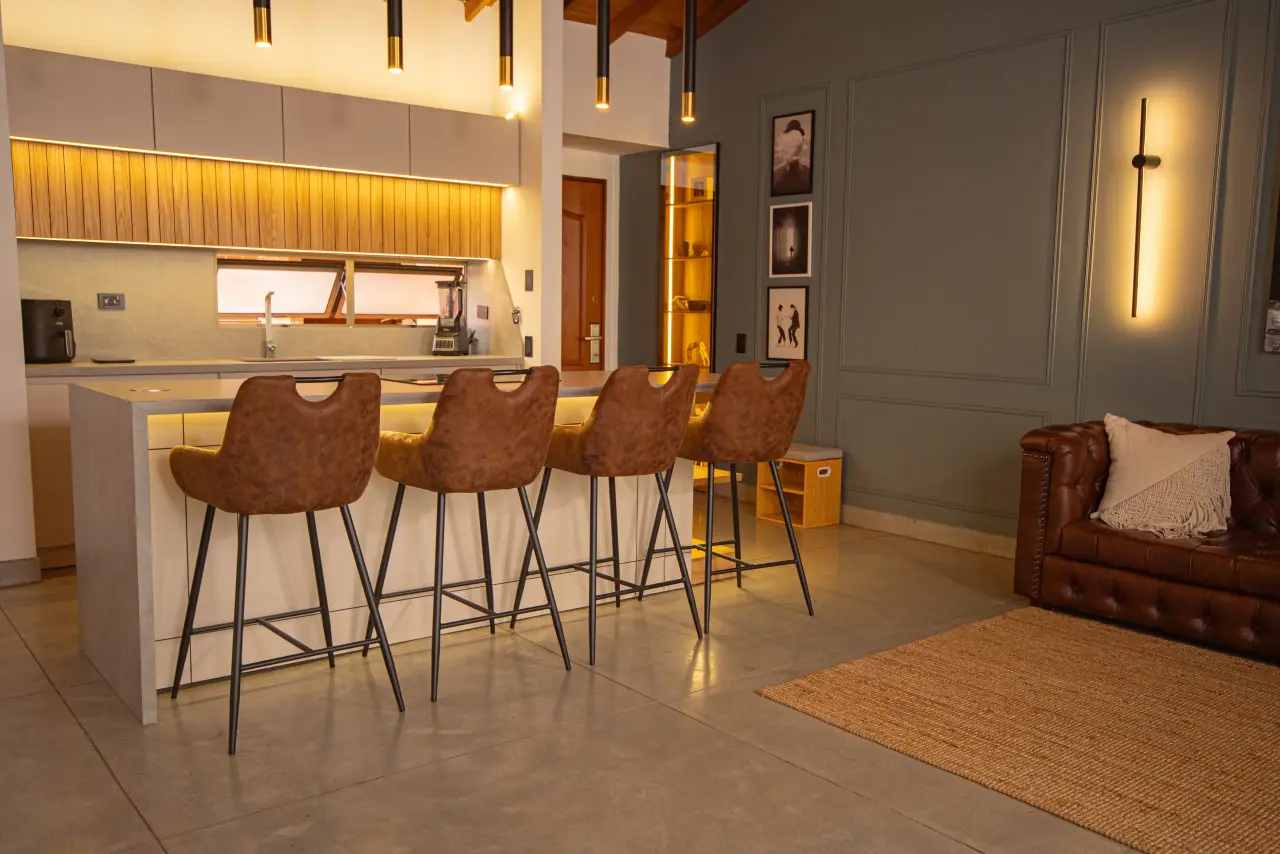
If the home is well located and well presented, and you'd rather it earned what it's currently worth than what it was worth when the last tenant signed, furnished monthly usually earns more over the same period — with more moving parts, which is the part an operator absorbs.
And for a lot of homes the answer isn't one or the other but a mix, run under one calendar. We go through how that's decided in the owner's guide, and how self-managing compares in Airbnb or a manager.
The short version
On a residential lease you get one adjustment a year, capped at last year's IPC, on a contract that renews by default. That makes the opening rent the decision that matters and every later one largely automatic.
A furnished home is repriced continuously instead, which is more work and, run properly, more income. If you'd like a straight read on which suits your apartment — and roughly what it would earn either way — tell us about it and we'll take a look.